Explore
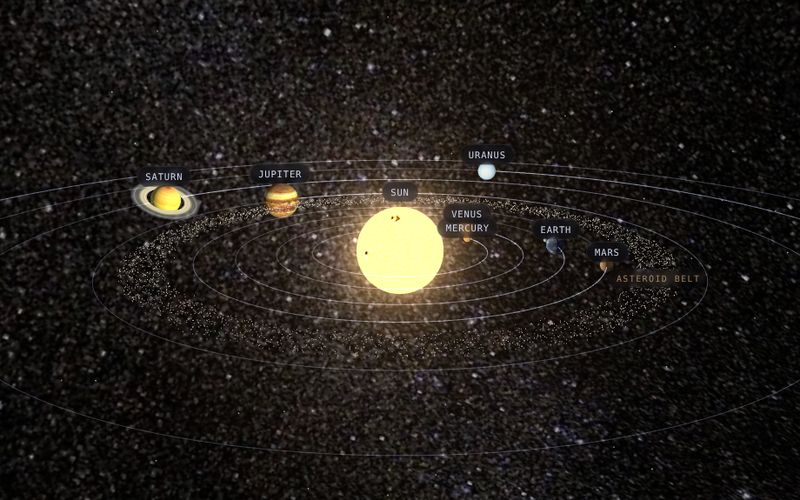
The solar system in 3D
Fly around the Sun and every planet, wrapped in real NASA maps. Tap any world for a deep dive.
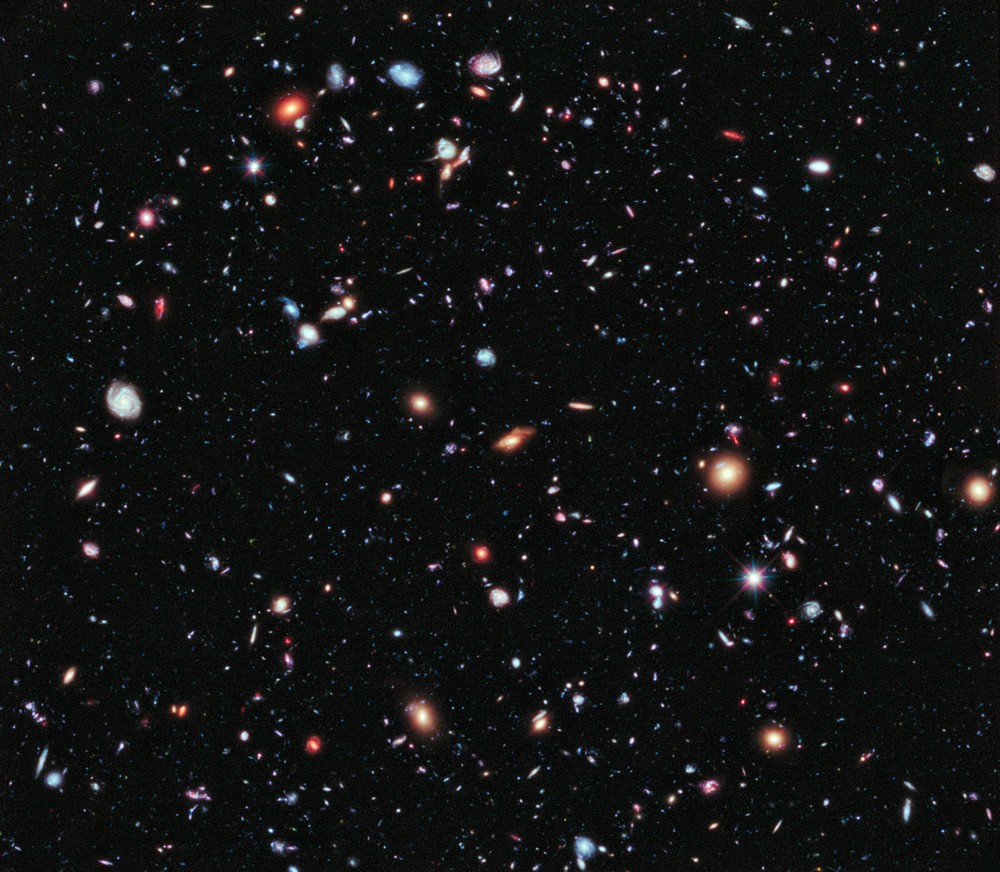
This is a real photo from the Hubble Space Telescope. It holds about 5,500 galaxies, in a patch of sky a tenth the width of the full Moon. Orbit Lab is where you explore all of it.
Every planet, mission and simulation is built on real data and real physics, explained in plain English.
Fly around the Sun and every planet, wrapped in real NASA maps. Tap any world for a deep dive.
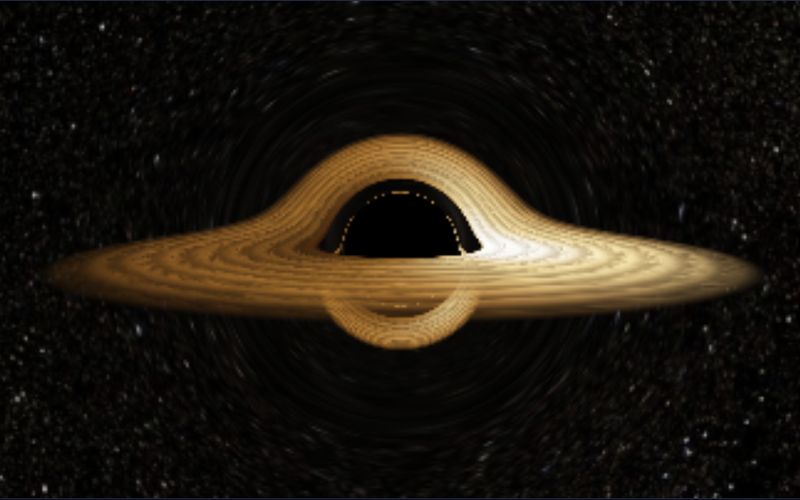
Watch gravity bend light around a black hole, traced in real time with Einstein’s equations.
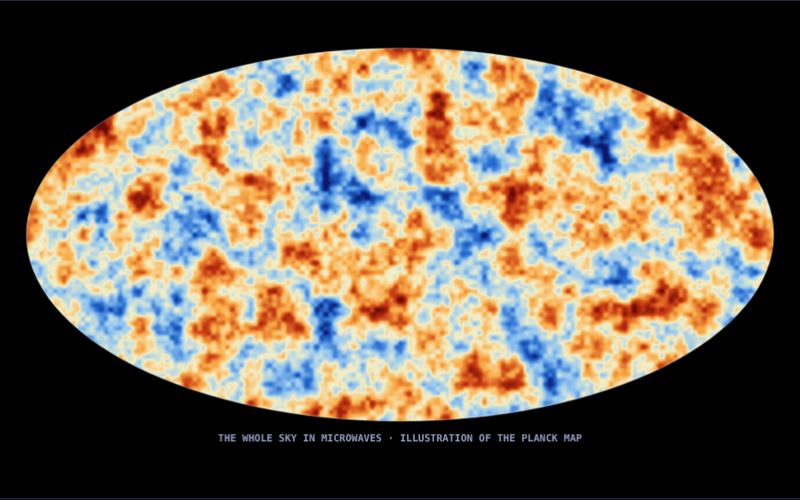
From the first instant to the first stars and today’s galaxies, with real temperatures and times.
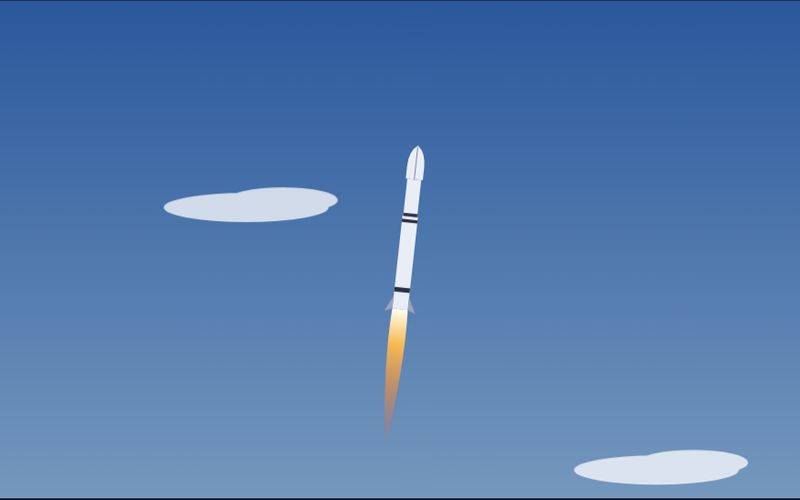
Ride a spacecraft from liftoff to a Mars landing, a Moon touchdown or orbit around Jupiter.
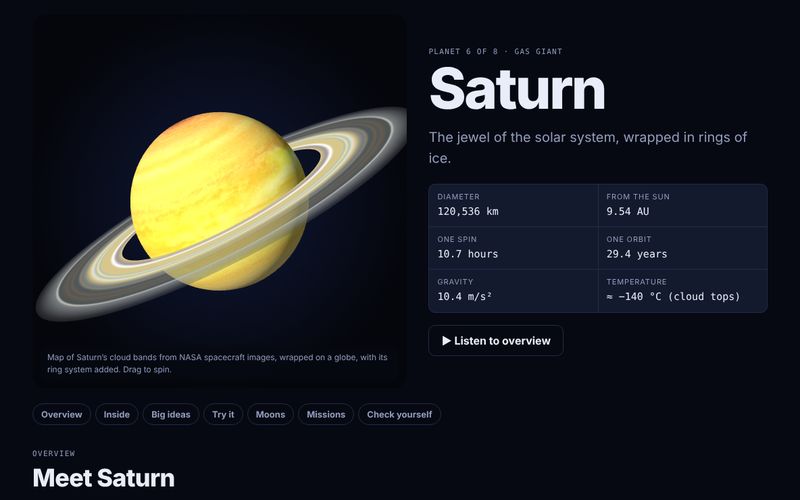
What each planet is made of, its moons, the missions that visited it and the big ideas behind it.
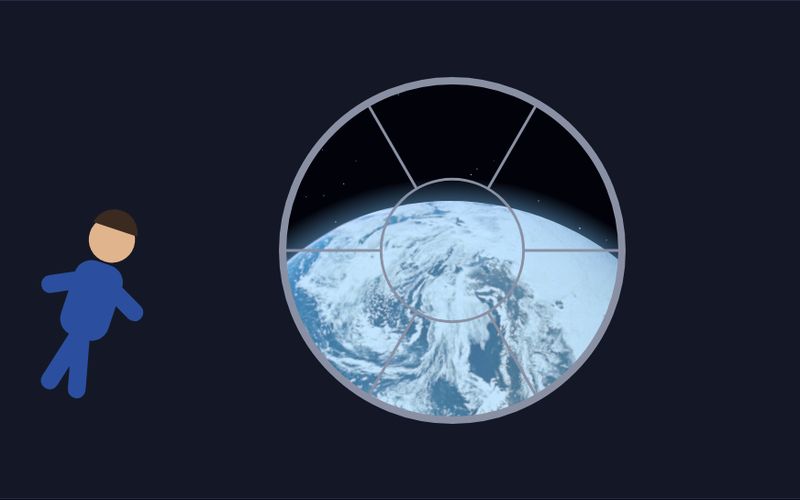
How space stations are built, a day aboard the ISS, killer asteroids and the space junk problem.
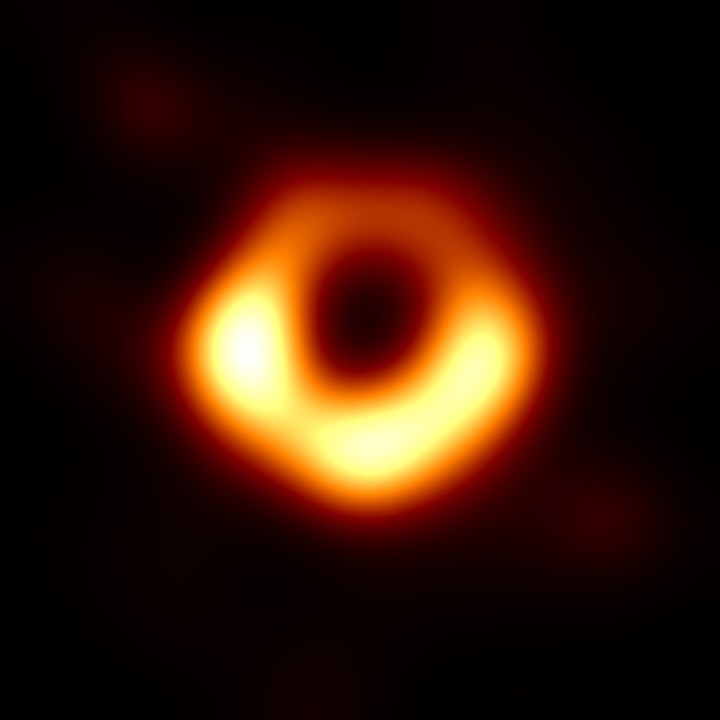
In 2017, eight radio telescopes around the world worked together as one dish the size of Earth to look at the giant black hole in the galaxy M87, 55 million light-years away.
The Event Horizon Telescope shared its data with everyone. We ran it through the team’s own imaging code, and this ring appeared. Inside Orbit Lab, students learn exactly what they are looking at.
M87* · 6.5 billion times the mass of the Sun · data recorded 11 April 2017Sign in to open Orbit Lab. It works in your browser on a phone, tablet or laptop, with nothing to install.
By signing in you agree to our privacy notice. Your learning progress stays on your own device.